Posts

Lifespan of LED and HPS Lights in Indoor Gardening

  When it comes to indoor gardening, choosing grow lights with a long lifespan is essential. In this regard, LED grow lights stand out as a clear winner over traditional HPS lights, providing both durability and efficiency for growers. The Lifespan of LED Grow Lights LED grow lights are engineered to last, often boasting a lifespan of 50,000 to 100,000 hours . This means you can use them for several years without replacement. LEDs maintain their brightness and efficiency over time, reducing the frequency and cost of bulb changes. Furthermore, their solid-state design ensures they are less prone to damage, making them a reliable investment for indoor gardens. The Shorter Lifespan of HPS Lights HPS grow lights, while powerful, have a significantly shorter lifespan of 12,000 to 24,000 hours . Over time, their light output diminishes, leading to reduced effectiveness. This degradation means growers need to replace HPS bulbs more frequently, adding to the ongoing maintenance costs. Why ...
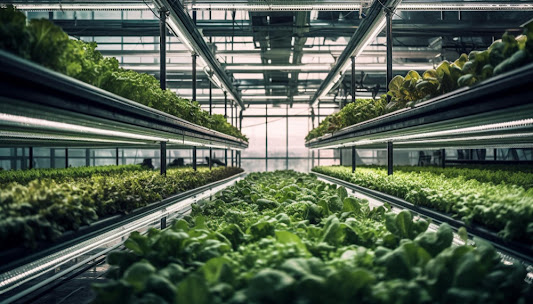
How to Calculate the Ideal LED Grow Light Wattage for Your Greenhouse

The correct LED grow lamp wattage must be chosen in order to maximize plant development in your greenhouse. The health and output of your crops might be impacted by excessive or insufficient light. We will walk you through the process of determining the optimal LED grow lights wattage for your greenhouse in this blog post. Assess Your Greenhouse Size and Layout Examining the size and configuration of your greenhouse is the first step in figuring out the optimal wattage. Calculate the growing area's length, width, and height. Think about the distance between your plants and the ideal amount of light for each crop. Determine the Light Intensity Requirements The amount of light that various plants need varies. While leafy greens can survive with less light, some crops, including tomatoes and peppers, require higher light levels. Learn more about the precise lighting needs of the crops you want to cultivate in your greenhouse. Calculate the Total Lumen Requirement You need to know the ...

LED Grow Light Trends and Innovations in Greenhouse Agriculture

Image
  In recent years, LED grow light technology has transformed greenhouse agriculture, replacing traditional lighting methods like HPS and fluorescent lights. In this blog, we'll explore the latest trends and innovations in LED grow lights for greenhouse farming. Customized Spectra: One of the biggest benefits of LED grow lights is their capacity to deliver a particular light spectrum catered to the requirements of various crops. Growers can modify the light spectrum using contemporary LED systems to enhance plant development, flowering, and fruiting. This degree of customization promotes better-quality food and higher yields. Energy Efficiency: Agriculture continues to place a high premium on energy efficiency. The energy efficiency of LED grow lights is unmatched by other types of illumination. As a result of advancements in LED technology, energy savings have increased even further, making greenhouse farming not only more sustainable but also more profitable. Smart Control Systems...

LED Grow Lights for Cloning and Propagation in Cannabis Cultivation

In cannabis cultivation, cloning and propagation are indispensable practices for replicating desired genetic traits. While traditional methods have their merits, LED grow lights have emerged as a transformative tool in these stages. In this blog, we'll explore the advantages of using LED grow lights for cloning and propagation, including precise spectrum control and enhanced energy efficiency. Understanding Cloning and Propagation Cannabis plants can be reproduced from a parent plant using the procedures of cloning and propagation. During this procedure, cuttings (clones) are taken from a cannabis plant that is healthy and mature and are encouraged to establish roots and become new plants. In order to maintain consistency in strain and desirable qualities, these new plants keep the genetic traits of the original plant. The Role of Light in Cloning and Propagation The success of cloning and propagation depends on light. To begin root growth and sustain healthy vegetative growth, you...

The Future of LED Grow Lights and Cannabis Cultivation

In recent years, advancements in technology have transformed cannabis cultivation, with LED grow lights at the forefront. Looking ahead, the future of LED grow lights and cannabis cultivation is promising and brimming with possibilities. 1. Enhanced Spectrum Control:  The perfecting of the LED light spectrum is one of the most anticipated future advancements. Soon, growers will have access to LED systems that provide fine light wavelength control. They will be able to maximize yields and potency by adjusting the light spectrum to the unique requirements of various cannabis strains and growth phases. 2. Increased Energy Efficiency: Although the energy economy has always been a major benefit of LED grow lights, future developments promise even more significant improvements. We may anticipate more energy-efficient solutions that lower growers' electricity bills while lowering their carbon footprint as LED technology continues to advance. 3. Integrated Smart Systems:  Every eleme...

Understanding PAR and PPFD: How to Optimize Your LED Grow Light for Cannabis

Cultivating cannabis indoors relies heavily on providing optimal lighting conditions. Understanding PAR (Photosynthetically Active Radiation) and PPFD (Photosynthetic Photon Flux Density) is pivotal in achieving this. In this article, we'll explore these concepts and guide you on optimizing your LED grow lights for cannabis cultivation. What is PAR? The 400–700 nm light spectrum, often known as PAR or photosynthetically active radiation, is essential for plant photosynthesis. This encompasses the essential red (600–700 nm) and blue (400–500 nm) light. Knowing PAR makes it easier to select the ideal light spectrum for the various growth stages of your cannabis plants. Understanding PPFD The amount of PAR light that enters a certain region in a certain length of time is measured by PPFD. Micromoles per square meter per second (mol/m2/s) is the common unit of measurement. The PPFD values in your grow space show how much light energy is available for photosynthesis at a certain locatio...

LED Grow Lights and Pest Management: Preventing and Treating Common Cannabis Pests

Indoor cannabis cultivation using LED grow lights offers control and energy efficiency. Yet, it can attract pests. In this blog, we'll explore how LED lights affect pest management and strategies to prevent and treat common cannabis pests. 1. Reduced Attraction to Light: The fact that LED grow lights produce less heat and UV radiation than conventional lighting systems is one of their benefits. While this promotes plant development and energy efficiency, it can also lessen the pests that are drawn to your cannabis garden. LED lights reduce the likelihood of infestations by attracting fewer flying insects like flies and moths. 2. Early Detection with Proper Lighting: Your cannabis garden may benefit from more even, consistent lighting thanks to LED grow lights. The earlier indicators of a pest infestation may be easier to detect with this better lighting. Examine your plants frequently under LED lights to spot any pests or damage right away. 3. Maintaining a Clean Environment: The b...

LED vs. HPS: Which Grow Light is Better for Cannabis Cultivation?

Selecting the best grow light is an important decision that can have a big impact on the health and yield of your cannabis plants. LED (Light Emitting Diode) and HPS (High-Pressure Sodium) grow lights are two common choices. We'll compare these two lighting systems in this article to make it easier for you to decide which one is more appropriate for your cannabis growth requirements. Energy Efficiency Energy efficiency is one of the main benefits of LED grow lights. In the long term, LEDs are more cost-effective than HPS lights because they use substantially less electricity. Since LED lights generate less heat, you won't need as many cooling systems and your monthly energy costs will go down. Spectrum Control The light spectrum may be precisely controlled using LED grow lights. The spectrum can be changed to correspond to the cannabis plant's many growth phases, from vegetative growth through flowering. You can maximize plant development and blossom output thanks to this v...

LED Grow Lights for Herbs: Cultivating Fresh Flavors Right in Your Kitchen

Tired of expensive, short-lived herbs from the grocery store? LED grow lights offer a solution. Discover how to cultivate fresh herbs year-round in your kitchen with the help of LED technology. The Benefits of Growing Herbs with LED Grow Lights Year-round Cultivation: Because LED grow lights offer a constant light supply, you can cultivate herbs all year long. You no longer have to wait for the ideal outside circumstances to enjoy your favorite herbs. Energy Efficiency: LED grow lights have a high energy efficiency rating, which means that while providing the ideal spectrum of light for optimum plant growth, they use less electricity overall. As a result, energy costs will be lower than with conventional lighting. Space-Saving: Compact design makes LED grow lights ideal for small locations like your kitchen counter or a shelf set aside for a herb plant. Herbs don't require a large garden to be successfully grown. Customizable Light Spectrum: With LED grow lights, you may adjust the...

Common LED Grow Light Mistakes to Avoid in Your Cannabis Garden

LED grow lights have revolutionized indoor cannabis cultivation, but common mistakes can hinder plant growth. In this blog, we'll explore these errors and how to avoid them. Inadequate Research A common error is not doing enough research before purchasing LED grow lights. Recognize the spectrum, wattage, and coverage requirements for your cannabis strains to prevent this. Choose lights that deliver a full spectrum or adjust the light spectrum for various growth phases. Improper Placement Poor growth and uneven light dispersion might result from improper installation of LED grow lights. Make sure your lights are set up to illuminate your entire cannabis canopy at the proper height and angle. For recommended distances, see the manufacturer's instructions and make adjustments as your plants develop. Overcrowding Overcrowding your cannabis plants under LED grow lights may cause certain plants to experience light deprivation, which will lower production. For each plant to receive th...

Avoiding Light Burn and Deficiency: Best Practices for Managing LED Grow Lights

In indoor commercial gardening, LED grow lights are a transformative tool, enabling year-round cultivation. Yet, optimal use is crucial. One key factor is preventing light burn and deficiency, which can impede growth and yields. Discover essential practices to manage LED grow lights effectively in this article. Understanding Light Burn and Deficiency Light burn and insufficiency are two manifestations of the same problem that result from insufficient exposure to light. Light burn happens when plants are exposed to too much light, which causes stress, wilting, and even leaf bleaching. On the other hand, inadequate light exposure results in light deficit, which results in extended stems, sluggish development, and low yields. Choose the Right Light Intensity Selecting the proper light intensity for your crop is the first step in avoiding light burn and deficiency. At various growth phases, different plants require different amounts of light. Determine the lighting requirements for your pa...

Energy Efficiency in Cannabis Cultivation: Saving Costs with LED Grow Lights

As the cannabis industry grows, cultivators are pursuing innovative solutions for sustainable and profitable operations. Among these solutions, LED grow lights have gained popularity. Offering optimized light spectra and remarkable energy efficiency, LEDs allow cannabis growers to reduce costs and environmental impact. The LED Advantage The development of LED grow lights has revolutionized the cannabis industry. LEDs use less energy as heat than their HID counterparts because they convert a higher percentage of electricity into plant-usable light. Reduced electricity costs are a direct result of this energy efficiency for farmers. Additionally, LEDs may be adjusted to emit particular light wavelengths, enabling farmers to adjust the light spectrum to suit the requirements of their cannabis plants during various growth stages. Reduced Heat Emission The fact that LED grow lights emit very little heat is one of their most important benefits. Traditional lighting systems generate a lot of ...